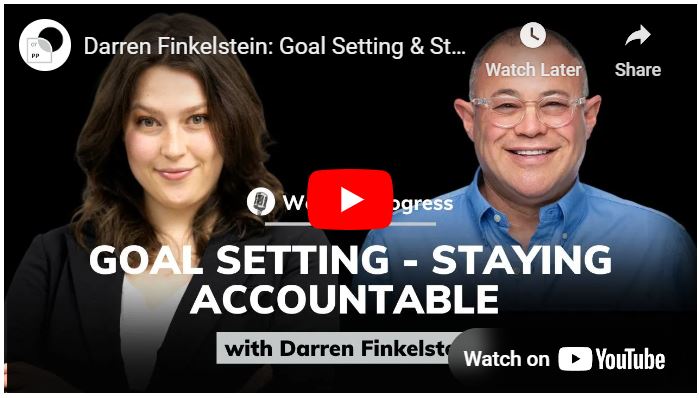


Many people assume an accountability partner is just someone who checks in once a week to ask how things are going. But it’s a much deeper commitment than that.
An accountability partner is someone who helps you stick to your goals, keeps you honest, and encourages you to keep going when your motivation dips. That kind of support doesn’t come from ticking a box during a quick weekly chat.
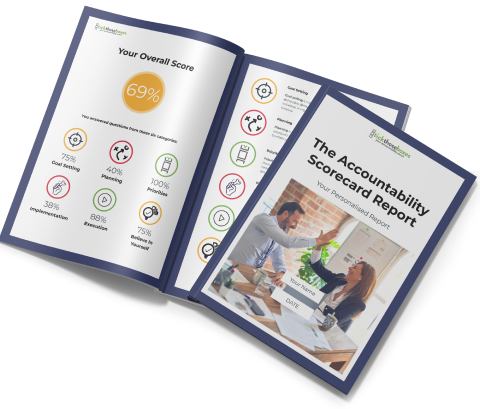
We work with individuals and teams who want more than reminders. They want follow-through. Real results. People often feel stuck or overwhelmed, especially during the warm start of the year when energy is split between leftover work from last year and big plans for the one ahead. Getting clear help at this point can shift everything.
What Accountability Is Really About
Staying on track isn’t just about making plans. It’s about sticking to them, adjusting when needed, and not giving up after one rough week. That’s harder than people expect, especially when life and work are busy.
An accountability partner is not there to judge or control. Instead, they build trust. They remind you of the initial reasons for setting a goal and assist in maintaining this focus.
• It’s not about being strict or watching over your shoulder
• It’s about talking honestly, understanding what’s helping or blocking progress, and staying connected
• It’s about making sure the work you’re doing lines up with where you want to go
We all have blind spots. A good partner helps you see them with fresh eyes and stay focused even when it’s tempting to put things off. Sometimes, it’s about helping you see opportunities that you wouldn’t have noticed on your own.
Why Check-Ins Alone Won’t Cut It
A weekly check-in is just a tool. If it’s used without care, it becomes just noise. You might get good at showing up to the meeting, but not much else changes.
We’ve seen this happen often. A client sets up a weekly chat, but no one questions if they’re working on the right task or heading in the right direction. Without real connection and follow-through, these check-ins feel like just another meeting.
A strong accountability partner goes deeper. They help shift habits that are no longer helping. They back you during the messy middle stages of a project, when deadlines blur and energy dips. Occasionally it’s these harder times when steady support matters most, as that’s when progress can easily slow down.
• Check-ins alone don’t create clarity
• Real support helps you pause, assess, and adjust
• Progress depends more on quality support than frequency of meetings
Accountability isn’t about the clock. It’s about courage, clarity, and care. When you have a partner helping you look ahead and reflect, you can make adjustments before things drift too far off track.
Good Accountability Partners Should Ask Real Questions
“Did you get it done?” isn’t the best question. Anyone can ask that. But it doesn’t offer an accurate picture of what’s actually happening.
A better accountability partner digs deeper. They’ll ask things like:
• What got in the way this week?
• Is this still the right goal for you?
• What made this week easier or harder than the last?
These questions help you stop and think. It’s not just about the workload but also about your mindset. Motivation. Energy. Systems. It’s easy to overlook simple hurdles or reasons progress stalls unless someone takes the time to ask.
Clear feedback like this builds trust and confidence. You stop avoiding challenges and start facing them with better strategies. Soon, you don’t just act more accountable; you feel it, and that changes everything. With new habits, you start noticing patterns and making smarter choices before problems grow.
Support Through the Highs and Lows
Not every week is smooth. Some weeks go completely off track. Others deliver wins you didn’t expect. A good accountability partner is there in both.
When things go well, they help you spot what worked so you can do more of it. When things fall apart, they don’t shame you; they help you regroup. By reviewing setbacks and successes together, you build habits to keep wins going and make sure mistakes are learning points, not permanent setbacks.
The best support doesn’t come when things are easy. It shows up when plans fall over and you wonder what to do next. Projects rarely go exactly as expected. That’s why showing up with steady support matters more than perfect results.
• Celebrate wins together so you don’t miss them
• Don’t get stuck in setbacks; face them early and adjust
• Learn from both, and avoid repeating avoidable mistakes
Real growth comes in those honest in-between moments, when things are uncertain but you keep showing up anyway. Even when goals feel far away, small steps count, and a partner can help pace those steps.
Seeing Real Change Over Time
Short bursts of effort can get attention. But lasting change comes from doing small things well, over and over. That’s where an accountability partner becomes so useful.
They help you break big goals into smaller actions. They keep you focused one week at a time, but always with the big picture in mind. That rhythm creates change, which you can feel.
Darren Finkelstein, as The Accountability Guy®, has developed tools and resources to help professionals measure progress in real time, making long-term change more attainable. We offer action plans, practical strategies, and tailored frameworks that address individual and team needs, ensuring accountability is built into daily routines.
We’ve seen how staying consistent builds belief. The more someone sticks with the hard stuff, the more they start trusting themselves to finish what they start.
• Regular tracking builds visible progress
• Small wins stack up into big shifts
• Reflection helps you learn and build stronger habits
This isn’t about relying on someone forever. It’s about using the relationship as a framework to build your own accountability, step by step. This way, you can adapt and act independently when new challenges arise.
The True Value of Showing Up for Yourself
Having a support system is crucial. But the bigger goal is building a habit of showing up for yourself. Following through becomes not just what you do, but who you are.
That’s the difference between having help and becoming accountable. A coach can help you reach your goals, but the real power comes when you apply what you learn to your life.
We recognise that every person’s journey is different. As a result, our programs are custom-built for entrepreneurs, leaders, and business owners, with a focus on practical results and measurable improvements. These tailored programs help people at different levels, from those just starting to build positive habits to leaders refining their routines and mindsets.
That’s why accountability is more than a weekly check-in. It’s how real goals start to shape into real outcomes. Not just once, but again and again.
When You’re Ready to Take Ownership
We specialise in helping individuals and organisations become more accountable. Contact our Team to explore how our programmes can create a more effective and accountable workplace. ensuring you and your teams follow through on commitments.
At Tick Those Boxes, we understand that achieving change requires more than just quick conversations or superficial support. We achieve change by delving deeper, posing more insightful questions, and maintaining consistency amidst challenges. Working with an accountability partner means more than tracking tasks; it’s about building trust, shifting habits, and being present when it matters. When you’re ready to move beyond planning, get in touch with us.