

To hold your team accountable without micromanaging, you need clear expectations, visible commitments, and a regular rhythm for reviewing progress. You coach. They own the work. Use simple dashboards, short check-ins, and consequences that stick. Clear expectations + visible commitments = accountability without hovering.
Key Takeaways
- Accountability without micromanaging starts with specific roles, targets, and timeframes
- Turn promises into visible commitments your team owns and updates
- Use short, regular check-ins focused on progress, not policing
- Build a culture where accountability in the workplace is normal, fair, and consistent
- Accountability is your superpower when you use it well
How to Hold Your Team Accountable Without Micromanaging
Accountability in the workplace matters because your results depend on people doing what they said they would do. When that doesn’t happen, the pressure lands on you. Stress rises. You start hovering over every task.
That’s usually when micromanagement sneaks in.
At Tick Those Boxes, we work with leaders across Australia who want their teams to play their best game without being watched every minute. I’ve seen the good, the bad, and the downright ugly of accountability.
In this article, I’ll walk you through how we at Tick Those Boxes approach accountability with our clients. You’ll learn how to:
- Set clear expectations
- Create visible commitments
- Run coaching-style check-ins
- Keep standards high
- Build a culture where accountability feels normal, not heavy
You’ll get simple steps you can put into play straight away so you can tick those boxes and steer your team back on course.
Why Is Micromanaging So Tempting When You Care About Results?
Micromanaging often starts from a good place. You care about the work, the clients, and the numbers. You want the team to play their best game. When results wobble, you step in harder and closer.
Sound familiar?
Common triggers are easy to spot:
- Deadlines slip without warning
- Communication is patchy or vague
- You’re not sure who owns what
- Past burnouts make you nervous about things going off the rails again
Many leaders slide into micromanagement after they let themselves down once too often.
I’ve been there myself. At one stage, after a string of missed deadlines, I reacted by checking every detail myself. I reviewed every email, sat in too many meetings, and hovered over work I’d already delegated.
The result?
- The team stopped using their initiative
- Morale dipped
- My calendar filled with meetings about tasks I should never have owned
Everyone suffered. I burned myself out trying to carry the whole game on my back.
The real issue wasn’t my personality. It was the lack of a simple system for accountability in the workplace. When expectations are fuzzy, leaders fill the gap by hovering.
Fix the system, and the urge to micromanage starts to ease. That’s how you get back to coaching from the sidelines instead of chasing every ball yourself.
What Does Healthy Accountability in the Workplace Actually Look Like?
Here’s how we define accountability in the workplace in plain language:
> I do what I said I would do, by when I said I would do it, and I’m open about the progress along the way.
Here’s the contrast:
- Micromanagement: you own the task, the timeline, and even the method
- Healthy Accountability: they own the outcome and the updates; you coach and clear the path
We use a simple structure called The Accountability Flight Path:
- Pre-Flight: agree outcomes and standards before take-off
- In-Flight: track progress and make mid-course corrections so you stay on course
- Post-Flight: review, learn, and reset for the next flight
When you run this flight path well, accountability becomes your superpower as a leader. You stop carrying every task. You start focusing on decisions, coaching, and strategy.
Your team gets space to deliver, with clear guardrails. Everyone knows the game plan and their position on the field.
How to Set Clear Expectations Without Sounding Controlling?
Clarity is not control. It’s kindness.
Clear expectations plus visible commitments equals accountability without hovering. The trick is how you have the conversation.
Try running a short Expectation-Setting Huddle with your team member:
- Outcome: “What does done well look like?”
- Ownership: “Who is on the hook?” (one name per outcome)
- Measures: “How will we know it’s on track?”
- Timeframe: “By when, exactly?”
- Support: “What do you need from me or others?”
Notice the language. It’s direct, but it invites input.
For example, instead of saying:
- “Can you handle the social media stuff soon?”
You might say:
- “You own the July campaign. Done well means three scheduled posts a week, aligned with our brand guide, starting Monday. Is that realistic, and what support do you need?”
A vague brief turns into a tight commitment:
- Vague: “Sort out the clients.”
- Clear: “You own calling the top 10 clients by Friday, confirming renewals, and logging notes in the CRM. Done well means no open questions left for them.”
Clarity is the first box you need to tick if you want real accountability. Without it, you’re guessing, and so are they.
How Do You Turn Promises Into Visible Commitments Your Team Owns?
Verbal promises vanish. Visible commitments stick.
You want commitments written down where everyone can see them, and where the owner updates their own work.
Set up a simple Tick Those Boxes Commitment Board. It could be:
- A whiteboard in the office
- A spreadsheet
- A digital tool
Include four basic columns:
- Owner
- Outcome
- Due Date
- Status (Not Started, In Progress, At Risk, Done)
Key principles:
- The person doing the work updates the status, not you
- Keep updates short, no essays; colour codes are fine if you like
- Review the board in your regular check-ins, not through ad-hoc nagging
Picture a marketing team listing each campaign task on the board. Instead of the manager chasing every email, they glance at the board, see what’s at risk, and only ask about those items.
Visible commitments replace constant check-ups and make accountability in the workplace transparent and fair.
How Do You Run Check-Ins That Coach Instead of Micromanage?
A good check-in feels like coaching, not a police interview.
Use a simple 15-minute accountability check-in:
- Wins: “What did you tick off since last time?”
- Wobbles: “What is stuck or at risk?”
- Next Moves: “What will you tick next, by when?”
The difference between a check-in and a check-up is your stance.
You’re curious, not suspicious. You ask questions like the following:
- “What options do you see?”
- “What’s the next small step you can commit to?”
- “Where do you need my help, and where do you not?”
Most teams do well with:
- A Weekly Team Check-In
- A Fortnightly One-on-One
One client I worked with actually cut their number of meetings and still doubled their follow-through, simply by sticking to this rhythm and using a visible board.
It wasn’t perfect from day one. There were missed updates and a few clunky conversations. But they stayed on course, adjusted as they went, and now accountability is just part of how they work.
How Do You Keep Standards High Without Microanaging Every Detail?
There’s a big difference between standards and style.
You own the Standard. They choose the style.
- You set the quality level, risks to avoid, and values to live by
- They decide how to get there, within those boundaries
We call this Guardrails, Not Handcuffs.
Use a simple checklist:
- Non-Negotiables: compliance, safety, legal and brand rules
- Preferred Practices: tried-and-true ways that usually work
- Freedom to Experiment: areas where they can test their own approach
When something misses the mark, debrief the process, not the person. Ask:
- “What happened between commitment and delivery?”
- “What will we change next time?”
Consistent standards and consequences signal that you mean what you say. You’re also free to say ‘NO’ to what doesn’t serve you or your priorities.
That means you and your team focus on commitments that really matter, not busywork that looks good but doesn’t move the scoreboard.
How Do You Build a Culture of Accountability so You Can Step Back?
Culture is what your team expects will actually happen around here.
- If people expect that missed deadlines drift by with no comment, accountability dies.
- If they expect clear commitments and calm follow-up, it grows.
There are three main levers:
- Modelling: you keep your own promises and admit when you miss them.
- Normalising: you use accountability language in everyday chats
- Recognising: you praise specific follow-through, not just big wins
Simple rituals help you stay on course.
On Monday, run a short “flight plan” chat:
- “What boxes are we ticking this week, simply put; what are our priorities this week?”
- “What are the key plays we need to make?”
On Friday, have a quick “landing”:
- “What did we actually tick?”
- “What did we learn?”
Over time, this culture lets you build a life of choice without obligation because you’re no longer responsible for everyone else’s undone tasks.
You set the flight path. Your team flies the plane. You all land together.
FAQ: Accountability Without Micromanaging
Q1: How Do I Improve Workplace Accountability Without Nagging?
Get specific about outcomes, owners, and deadlines. Make commitments visible on a shared board or document. Replace random chasing with a regular check-in rhythm.
Ask coaching questions instead of giving orders, and let your team update their own progress. That way, accountability becomes your superpower, not your stress trigger.
Q2: What Should I Do When a Team Member Keeps Missing Deadlines?
Start with a calm, direct conversation.
- Review the original commitment
- Ask what got in the way
- Work out whether the issue is skill, capacity, or motivation
Set a new, clear agreement with support and fair consequences. Then follow through if the pattern continues. You can also say NO to extra work that doesn’t serve the team while you reset expectations.
Q3: How Often Should I Check in on My Team’s Progress?
Often enough to stay on course, not so often that you hover.
For many teams, a weekly 15-minute team check-in plus a fortnightly one-on-one works well. Use a visible commitment board so you can scan progress quickly without constant interruptions.
Q4: How Can I Hold Remote or Hybrid Staff Accountable?
Focus on outputs, not hours online.
- Set clear deliverables and timeframes
- Track them in a shared tool
- Use short video or phone check-ins
Agree on communication norms and availability up front. Judge performance on results and reliability, not green dots or keyboard activity.
Q5: How Do I Rebuild Trust After I’ve Been Micromanaging?
Own your behaviour openly and specifically.
Explain what you’ll change, such as:
- Clearer expectations
- Visible commitments
- Coaching-style check-ins
Invite feedback. Then prove it over time by giving more space while keeping standards firm. Show your team you’re serious about helping them play their best game, not calling every shot yourself.
Strengthen Your Team With Clear Accountability
If you are ready to shift from excuses to ownership, Tick Those Boxes can help you embed practical accountability in the workplace strategies that actually stick. We work with you to clarify expectations, build trust and give your people the skills to follow through. Talk with us about your team, your goals and what success looks like, and we will tailor the right approach. To start the conversation, simply contact us today.
Who Is Darren Finkelstein, the Accountability Guy?
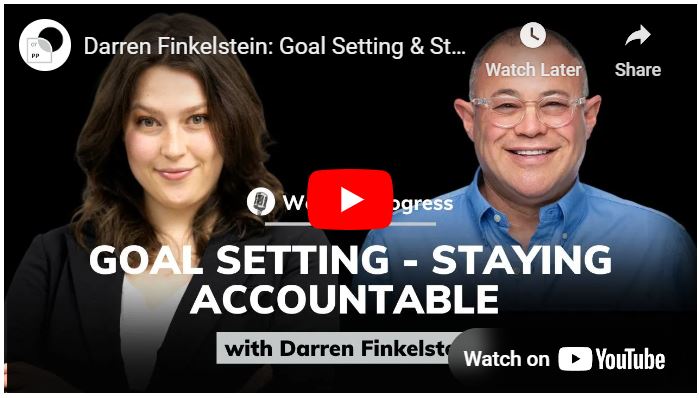
Darren Finkelstein is the founder of Tick Those Boxes, a built-and-exited business owner, speaker, and author known as The Accountability Guy. He coaches entrepreneurs, business owners, and leaders across Australia to turn ideas into action, tick those boxes, play their best game, and say ‘NO’ more often to build a life of choice without obligation.