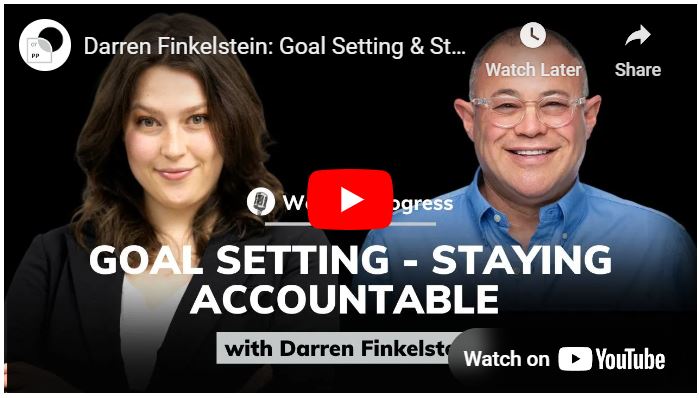


When you’re the boss, you’re technically the only one who can hold yourself accountable. That’s precisely why you can’t rely on willpower and good intentions. You need an accountability structure around you before things wobble, so your priorities stay on track when motivation drops and life gets noisy.
Let’s unpack how you can do that without waiting for the wheels to come off.
Key Takeaways
- Accountability Is Your Superpower, not a punishment or a telling-off.
- The founder’s blind spot is believing discipline and passion are enough.
- An accountability coach in Australia gives you neutral, structured follow-through.
- Build external accountability before crisis hits, not as a rescue mission.
- Use simple weekly habits so you can play your best game and stay on course.
When You’re the Boss, Who Keeps You Accountable?
When you’re the boss, there’s no performance review, no HR tapping you on the shoulder, and no one asking why you missed your own deadline. It can feel freeing, until you notice how easy it is to let yourself off the hook.
I’ve been there myself. When I first moved into my own business full-time, I realised something confronting: I could move my own deadlines and cancel my own planning sessions, and no one would say a word. A proposal could slip, a project could stall, and it looked like nothing happened.
I was getting away with it, and that was the problem.
If you don’t design accountability into your week, you’re basically flying on instruments you hope still work. Eventually, you look up and wonder how you ended up off course.
Why Do Founders Struggle with Self-Accountability?
Founders are often brilliant at delivering for everyone else. Clients get looked after, staff get time, and family gets what’s left. Your own priorities, though, are easy to bump.
Common patterns I see are the following:
- You answer to clients, staff, and family, but not to your own strategic goals.
- You say yes to almost everything and no to almost nothing.
- You confuse activity with impact: you’re always busy, but not always doing the right work.
It’s like trying to play every position on the field. You’re in goals, in the midfield, taking the kick, and then wondering why you’re not scoring where it counts.
Ask yourself:
- What did you promise yourself you’d finish last quarter?
- Who actually noticed when you slipped, anyone?
Underneath the busyness, there are emotional drivers:
- Fear of slowing down in case momentum disappears.
- Fear of missing out on opportunities.
- People pleasing: you’d rather disappoint yourself than someone else.
This isn’t about blame. It’s about ownership. When you own your game, you can play your best game, week in, week out.
What Is the Founder’s Blind Spot in Accountability?
The classic founder story is, “I built this, so I should be able to control myself.” On the surface, that sounds reasonable. In practice, it keeps many leaders stuck.
High performers often resist external accountability because of:
- Ego: “I shouldn’t need help to follow through.”
- Pride: “I’m the one others come to for answers.”
- Old stories: “Accountability means I’m in trouble.”
Think about aviation. Experienced pilots don’t skip checklists just because they’ve flown the route before. The more responsibility they carry, the more disciplined their routines. Your business is no different.
I’ve worked with business owners who only ask for help once revenue has plateaued and the team culture is wobbly. The issues started much earlier, but the pain lagged. Poor decisions and broken promises take time to show up in the numbers.
So, what will you say “NO” to this week to avoid future consequences?
How Do You Build External Accountability Before a Crisis?
The best time to build accountability is when things are okay, not when you’re putting out fires. When the pressure is on, you fall back to your habits, not your hopeful plans.
Here’s a simple FLIGHT framework you can use to stay on course:
F, Focus
- Choose 3 non‑negotiable priorities for the next period.
- Make them specific, measurable, and time-bound.
L, Line of Sight
- Break those priorities into visible weekly actions.
- If you can’t see it in your calendar, it’s not real.
I, Intervals
- Set regular check-ins with someone who won’t buy your excuses.
- Treat these like a standing meeting with your biggest client
G, Ground Truth
- Track progress in numbers, not just how you feel.
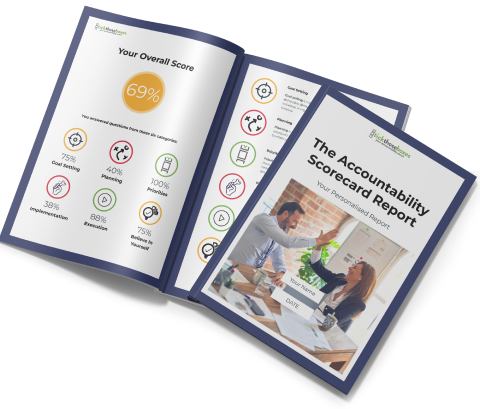
- Use a simple scorecard: what got done, what didn’t, and why.
H, Habits
- Build small, repeatable routines you can stick with on your worst week.
- Prioritise consistency over perfection.
T, Tweak
- Review and adjust your flight path regularly.
- Ask: What worked? What didn’t? What will I do differently next week?
Practical Moves You Can Start with This Week:
- Set weekly non‑negotiable commitments with clear deadlines.
- Block thinking time in your calendar and guard it like a key client meeting.
- Choose one person who sees your scorecard and reviews it with you.
Like sport, you don’t wait until game day to find a coach. You train, adjust, and review every week, so you’re match-fit when it counts.
Who Should Be on Your Personal Accountability Team?
You’ve got options, and each plays a different role.
- Peer or business buddy: good for empathy and swapping stories, but they may not hold you accountable.
- Mentor or advisor, helpful for the big picture, but catch-ups are often irregular and unstructured.
- An accountability coach in Australia, focused on follow-through, neutral, and not tangled in your drama.
A strong accountability partner will:
- Ask direct questions without flinching.
- Help you say “NO” to what doesn’t serve you.
- Keep you aligned to your flight path, not today’s noise.
Use This Quick Checklist When You Choose Your Accountability Partner:
- Do they challenge you, not just cheer you on?
- Do they track commitments, not just talk about ideas?
- Do you leave conversations clearer and more focused?
- Do they help you tick those boxes to stay on track each week?
If you want to go deeper into structured accountability coaching programs, you can explore what we offer at ‘Tick Those Boxes’, but whether you work with me or not, your job is to lock in a structure that keeps you honest.
How Can a Simple Weekly Check-In Keep You on Course?
You don’t need a complicated system. A light, repeatable rhythm beats an elaborate plan you won’t keep up with.
Try this Weekly Accountability Huddle:
- 10 minutes: review last week’s promises – done or not done. No waffle.
- 10 minutes: scan your key numbers: sales, leads, projects, and energy.
- 10 minutes: lock in 3 priorities and 1 big “NO” for the coming week.
Write it down. If it’s not on paper, it’s not a real commitment; it’s just a wish.
Think of it as your weekly flight check. Are you on course, off course, or circling the runway burning fuel? Consistent small check-ins will beat rare heroic bursts every time.
What Changes When You Treat Accountability as a Superpower?
When you flip accountability from punishment to performance, everything feels different. This is how you build a life of choice. Without obligation, you end up with a life full of apologies and excuses.
Before Strong Accountability, Your Weeks Might Look Like:
- Reacting to every email and request.
- Firefighting and saying sorry for missed promises.
- Feeling guilty about the projects you keep postponing.
After Accountability Becomes Your Superpower, You’re More Likely to:
- Set clear priorities and say “NO” with confidence.
- Experience calmer, more predictable weeks.
- See better results from fewer, better choices.
I’ve turned down plenty of shiny distractions that didn’t match my flight path so I could finish meaningful projects that mattered for clients and for my own business. The difference was simple: someone was there each week asking, “Did you do what you said you would?”
So ask yourself:
- Where in your business do you most need a firm, kind nudge right now?
- If you had someone in your corner each week, what would change first?
FAQ, Accountability for Founders and Business Owners
Q: Why Is Self‑Discipline Not Enough When You’re the Boss?
A: Willpower is limited, and decision fatigue is real. By the end of a long day, it’s easy to move your own deadlines. External accountability keeps you honest when your brain is tired and tempted to drift.
Q: How Is an Accountability Coach in Australia Different From a Business Coach?
A: A business coach often focuses on strategy and big‑picture plans. An accountability coach focuses on follow-through, clear commitments, and the habits that keep your plans alive.
Q: How Often Should a Business Owner Meet With an Accountability Coach?
A: Weekly or fortnightly sessions work well for most leaders. The key is to have a clear agenda, measurable commitments, and to review what you actually got done each time you meet.
Q: Can I Build Accountability Without Paying for a Coach?
A: Yes. You can use peers, mentors, and structured check-ins. A professional, neutral coach simply adds consistency, discipline, and experience when the stakes are higher.
Q: What Signs Tell Me I Need External Accountability Now?
A: Common signals include repeated unfinished projects, constant overwhelm, broken promises to yourself, and the feeling of working hard but getting nowhere.
Take Consistent Action With Expert Accountability Support
If you are serious about following through on your goals, working with an accountability coach in Australia can help you create clear priorities and stick to them. At Tick Those Boxes, we partner with you to turn intentions into practical, trackable action so you see real progress, not just busy work. When you are ready to move from thinking about change to actually making it happen, contact us and let us support your next steps.
Author Bio, Who Is Holding You Accountable Here?
I’m Darren Finkelstein, founder of Tick Those Boxes and known as The Accountability Guy. I built and exited a previous business; I’m a published author and speaker; and I work with entrepreneurs, business owners, and leaders across Australia to turn ideas into action through practical accountability coaching and mentoring.
I’ve had wins and plenty of failures along the way. The common thread? When I owned my commitments and built the right structures around me, I could build a life of choice without obligation. My philosophy is simple: accountability is ownership and your superpower when you use it to say “NO” to what doesn’t serve you and “YES” to the work and life that matter to you.