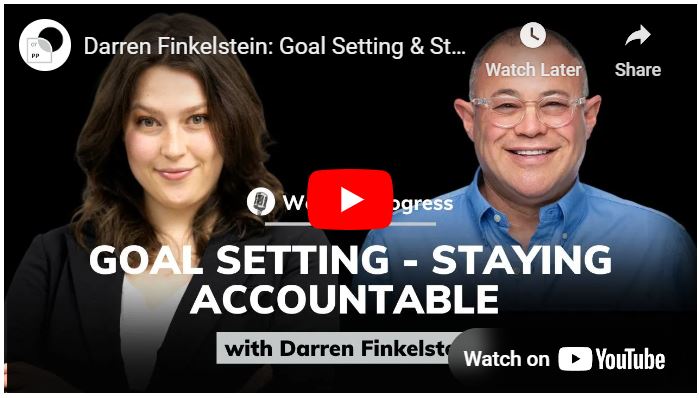


You keep setting goals and never hitting them because you treat them like wishes, not commitments. There’s no clear scoreboard, no regular cadence to review progress, and no real consequence if you miss. When you add structure, ownership, and accountability coaching, you finally tick off those “someday” goals.
Key Takeaways
- Most missed goals fail because there is no scoreboard, no cadence, and no consequence.
- Accountability is your superpower when structure and ownership are missing.
- A simple weekly rhythm plus visible tracking turns intent into action.
- Accountability coaching can help you build a life of choice without obligation.
Why You Keep Setting Goals and Never Hitting Them
You set a big goal, feel fired up for a week, then slowly drift back to old habits. The goal is still there, but your energy has faded, and you’re left with that familiar mix of frustration and self‑doubt. It feels personal, but the problem is usually your system, not your character.
At Tick Those Boxes, we see the same three gaps again and again: no real scoreboard, no clear cadence, and no meaningful consequence. Once you fix those, things shift fast. In this article, I’ll walk you through each piece, how accountability coaching fits in, and how you can finally play your best game and tick those boxes. I’m Darren Finkelstein, The Accountability Guy, and this role is the work I live every day.
Why Do You Keep Missing Goals You Clearly Care About?
Missing goals hurts. There’s a goal hangover that comes with it: a bit of shame, a hit to your confidence, and that quiet voice saying, “You said this last time too.” Over time, your brain stops believing your promises, which makes starting again even harder.
Ask yourself:
- What were your last three “big goals”?
- How clear were they?
- Where did you tap out: planning, starting, or staying consistent?
Most people aren’t lazy. You’re usually stuck because:
- The goal is fuzzy, with no clear finish line or definition of “done”
- The goal belongs to someone else, or to social media trends, not to your values.
- You’re overloaded, chasing too many things and saying yes to everything.
This is where accountability as ownership comes in. I define accountability as doing what you said you would do, even when you don’t feel like it. It’s not about blame; it’s about protecting your future self.
I know the lesson the hard way. Early in my career, I set a giant target for a business project, ignored my own rules around planning and check‑ins, and simply tried to “work harder”. I burned out before I reached the goal and had to completely rebuild my approach. That experience is one reason I care so much about practical structure now.
How Does a Clear Scoreboard Change Your Results?
A scoreboard is a simple, visible way to see if you’re on track today, not just at the end. It turns “I hope” into “I know.” In sport, no team plays well without a clear score and time on the clock. Your work is no different.
Most people have no real scoreboard because:
- Everything lives in their head or a forgotten notebook.
- They juggle too many measures and change them every week.
- There’s no quick way to see if they’re winning or drifting.
To build a personal scoreboard:
- Choose one main goal that matters right now.
- Break it into 3 to 5 lead actions you can control.
- Keep those actions specific and countable.
For example, a revenue goal isn’t driven by “making more money”; it’s driven by actions like:
- Calls made or meetings booked
- Proposals sent
- Follow-ups completed
Accountability coaching helps you pick the right measures and keep them brutally simple. Then you make the scoreboard visible: on a whiteboard in your office, a wall chart, or a digital tracker you actually open every day. When the score is visible, excuses become much harder to make.
How Does Cadence Turn Good Intentions Into Habits?
Cadence is your regular rhythm of checking in, adjusting course, and recommitting. Think of it like flying a plane. You don’t set the flight plan once and then ignore the instruments. You keep scanning, correcting, and staying on course. Goals work the same way.
A strong cadence might look like:
- Daily: 10 minutes to check your scoreboard and pick your top three actions
- Weekly: 30 to 45 minutes to review wins, misses, and your plan for the next week
- Monthly or quarterly: a deeper review to refine or reset goals
The trick is to treat these check‑ins like key client meetings. They don’t move, and you show up on time.
Use simple prompts:
- What worked?
- What didn’t?
- What will I do differently next week?
When I work with accountability coaching clients, I often start right here, installing a weekly rhythm you can later run solo. Many people see a big lift in performance from that one habit alone. The scoreboard gives you the data. Cadence turns that data into better decisions.
Why Do Consequences Matter When You Miss Your Own Goals?
If there’s no cost to skipping the work, your brain will always pick short‑term comfort over long‑term gain. In sport, if the score doesn’t count, no one tackles as hard. You need consequences that are real but not punishing.
There are two main types:
- Natural consequences, like lost deals, cash flow stress, or late nights catching up
- Agreed consequences, like commitments to a coach or partner that you’re not willing to break
You can also build small rewards and restrictions that support your new habits, for example:
- You only watch your favourite show if you’ve completed your daily actions.
- If you miss your weekly plan, you must explain why to someone you respect.
A powerful protective consequence is learning to say “NO” to what doesn’t serve you. When you slip, you don’t just “try harder”; you drop something that isn’t aligned with your real priorities.
In accountability coaching, those consequences sit inside honest, respectful conversations. The aim is not to shame you; it’s to keep you committed to the life you actually want.
How Can Accountability Coaching Help You Finally Hit Your Goals?
Accountability coaching is a structured partnership where you commit to clear goals, actions, and timelines, and someone holds you to them. It’s not hype; it’s follow‑through. Together, you build the scoreboard, lock in the cadence, and agree on consequences that you’ll respect.
In practice, that structure looks like:
- Choosing the right goals, not just more goals
- Turning those goals into simple, trackable actions
- Regular sessions to review your scoreboard and reset your plan
- Straight, empathetic feedback when you drift, and real celebration when you deliver
At Tick Those Boxes in Melbourne, this is what we do all day. I built and exited a business, spent years working with Apple, and have written about follow‑through and performance. All of that experience feeds into one belief: Accountability Is Your Superpower; Structure Beats Motivation. When you put those pieces in place, you start to build a life of choice without obligation.
FAQ: Common Questions About Missing Goals and Accountability
Why Do I Keep Procrastinating Even When My Goals Matter?
Procrastination usually comes from vague goals, fear of stuffing it up, or no immediate consequence. When you break the goal into small, clear steps, review them regularly, and create a real cost for doing nothing, procrastination loses its grip. Accountability coaching gives that structure and keeps you honest.
How Many Goals Should I Focus On at Once?
Most people perform best with one main goal and up to two supporting goals at a time. If you take on more than that, your time, energy, and attention will be stretched too thin. Saying no to extra goals is a smart way to prioritise, not a sign of failure. You can do a lot, just not all at once.
What If I Hate Being Told What to Do?
Good accountability isn’t about being told what to do. You choose your goals and standards. The coach is there to make sure your actions match what you said you wanted. You stay in the pilot’s seat; the coach helps you stay on course.
How Long Does It Take to Build Real Follow-Through?
Many people feel sharper within a few weeks once a scoreboard and cadence are in place. Deep, reliable follow‑through usually builds over several months of consistent practice. The aim is to help you build habits you can run yourself, not keep you dependent.
Is Accountability Coaching Only for Business Goals?
No. The same framework works for health, family, leadership, money, and personal projects. Accountability coaching can help you take ownership and finally tick those boxes in any area where you keep saying, “I’ll get to it,” but don’t.
Turn Your Goals Into Real Progress With Personal Accountability
If you are ready to stop stalling and start moving, Tick Those Boxes is here to help you turn ideas into consistent action. Our tailored accountability coaching keeps you focused, honest and supported, so you actually tick off your priorities. Reach out today and let us work with you to build momentum that lasts, or contact us to chat about what you need.
About Darren Finkelstein, the Accountability Guy
I’m Darren Finkelstein, founder of Tick Those Boxes and an accountability coach and mentor. I’ve built and exited a successful business, worked with Apple, and written books on follow‑through and performance. My focus is helping entrepreneurs, business owners, and leaders stop procrastinating and consistently do what they say they’ll do. I believe accountability is your superpower, structure beats motivation, and the real win is to build a life of choice without obligation.